A pitch is more than a number: how 360° views turn location into booking confidence
A 360° view can help guests understand what a specific pitch, accommodation unit or location actually feels like before they book. It is most valuable when it reduces uncertainty about position, surroundings, access and nearby facilities, and when it appears inside the map and booking journey at the moment a guest is choosing.
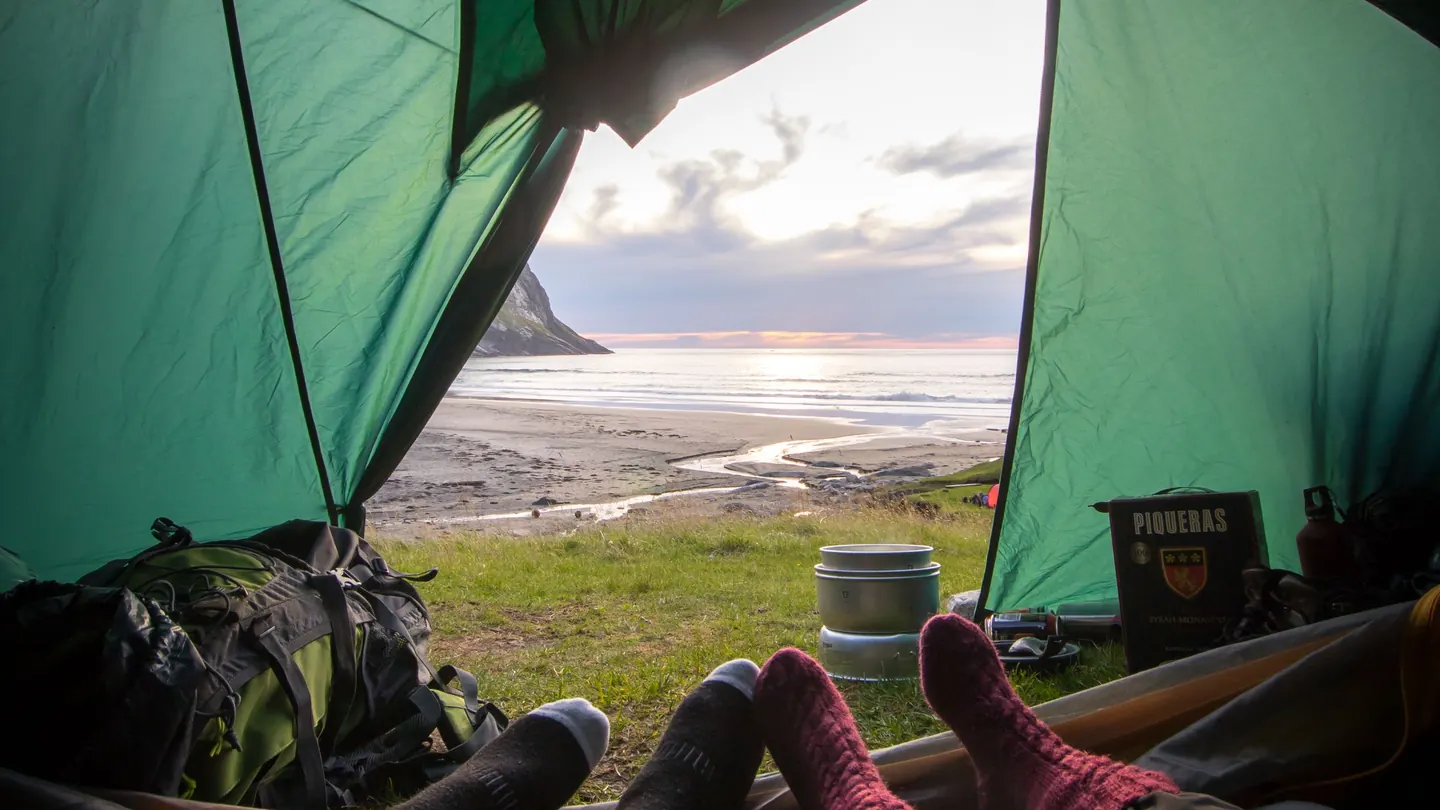
Hospitality photography is excellent at selling a destination. Blue water, sunset light, families at the pool and a beautifully styled mobile home create desire. But when a guest reaches the point of choosing a specific pitch or unit, desire is no longer the only question.
Now they want to know what the place actually looks like.
Destination photography and decision photography do different jobs
A hero image answers: "Do I want to be there?"
A unit-level image answers: "Do I want to stay exactly here?"
Those are different questions and they deserve different visual content.
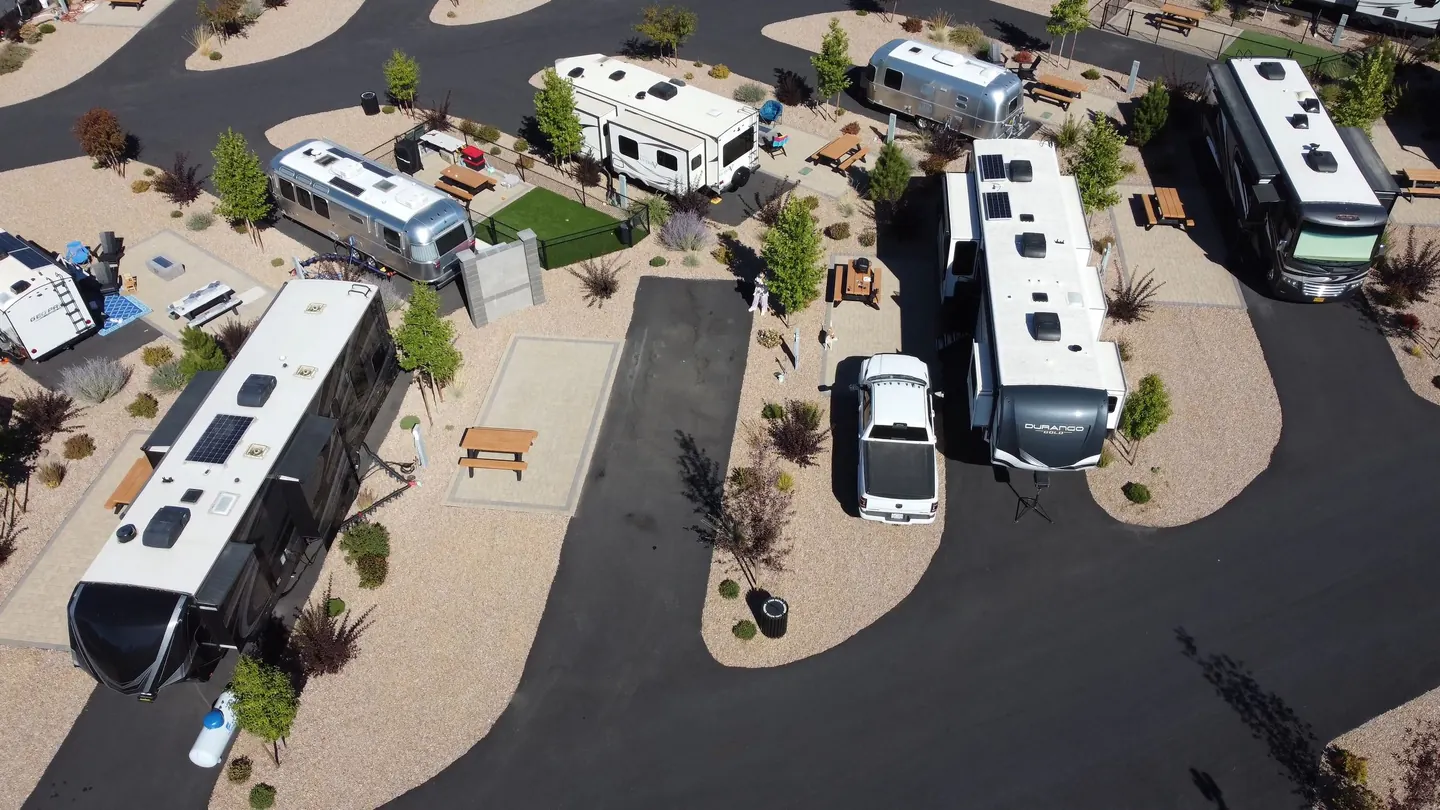
The closer a guest moves to booking, the more practical their information needs often become. They want to inspect the amount of shade, relationship to the road, density of neighbouring units, access, vegetation, orientation and the general feel around the pitch.
A conventional photograph can show some of that. A 360° view can give the user more control over what they inspect.
Why 360° views can make a decision easier
With a conventional photograph, somebody else chooses the frame. With a 360° view, the guest decides what to inspect: neighbouring pitches, the road, vegetation, access, or the relationship to the sea and other facilities.
That matters because the final stage of booking is no longer only about selling the destination. The guest is trying to imagine everyday life in one specific place.
A 360° view is therefore not a magic conversion tool and it does not replace strong photography or clear unit information. Its value is simpler: it adds context where a standard photograph cannot answer every practical question.
That is particularly useful at campsites, where the space around a unit is often part of the product itself. Two pitches in the same category can feel very different because of shade, access, views or their immediate surroundings.
For a campsite, where the surrounding space is often part of the product, that mechanism is particularly relevant.
The strongest 360° content is specific, not spectacular
A dramatic aerial panorama of the whole resort can be attractive, but it may do little to resolve a booking decision.
Unit-level 360° content is valuable because it answers the small, practical questions generic photography often misses.
For a pitch, capture enough of the environment to show:
- the full usable area rather than only the most attractive angle;
- the relationship to neighbouring pitches;
- nearby roads or paths;
- vegetation and shade context;
- access and entrance to the pitch;
- relevant facilities or landmarks visible from the location.
For a mobile home, glamping unit or other accommodation, the same principle applies: show the relationship between the unit and its surroundings, not just the interior.
Put the view where the decision happens
A common content mistake is burying immersive media in a general gallery.
If the 360° view is meant to support unit choice, it should be available from the unit context. The guest sees a pitch on the map, opens its details and can inspect the view without losing the selected unit.
Camp Čikat and Camp Slatina publicly demonstrate this approach. Their interactive maps let guests click an available accommodation unit and review photographs, 360° virtual tours, distance from the sea and other details before continuing to booking.
CampsAbout includes 360° panorama views among its map capabilities. They are most useful when they are not treated as a standalone visual effect, but connected to a specific pitch or accommodation unit and its location on the map.
360° is most useful when paired with structured facts
Immersive imagery should not be expected to communicate everything visually.
A guest should not have to estimate whether a caravan fits by staring at a panorama. Dimensions belong in structured unit information. Availability belongs in the booking layer. Distance can be stated explicitly. Amenities should be searchable and readable.
Think of 360° as contextual proof around the facts, not a replacement for them.
This combination is powerful because different guests process information differently. One person wants a number: 70 metres from the sea. Another wants to look around and judge whether that distance feels right. The best interface gives both.
A view is only useful while it matches reality
A beautiful 360° image becomes harmful if the scene no longer matches reality.
Trees grow or are removed. Hedges change. New accommodation is added. Roads are rerouted. A former empty space becomes a playground. A unit is refurbished.
That is why 360° content needs a simple review routine. High-value booking units may deserve more frequent updates, and any significant physical change should trigger the same attention as a change to photos, descriptions or map data.
A useful rule is simple: if the guest will no longer find what they saw before booking, the view is out of date.
Rich content must not slow the booking journey
360° content is heavier than text and standard photography, so mobile performance still matters.
Load immersive content when the user asks for it rather than making it part of every initial page load. The booking journey should remain fast and clear on an ordinary mobile connection, not only on office Wi-Fi.
The experience should feel richer, not heavier.
Use 360° where guests have the most questions
Not every location needs a panorama.
The strongest candidates are premium pitches, waterfront units, unusual layouts, glamping, larger mobile homes or locations where access and immediate surroundings genuinely influence the choice.
A campsite does not need to capture everything at once. It can start with the units that generate the most questions and expand the content according to actual guest interest.
The commercial idea is simple: show the part photography usually hides
Guests already understand that marketing selects flattering images. That is normal. But when the product is a physical spot inside a complex property, confidence grows from specificity.
A 360° view can say: this is not merely what our campsite looks like. This is what it looks like from the place you are considering.
That is a much more useful promise.
Sources
- Camp Čikat - 360° panorama views within the interactive booking map
- Camp Slatina - 360° panorama views within the interactive booking map
- Zerres, C., et al. - Presenting hotels in virtual reality: does it influence the booking intention? Journal of Hospitality and Tourism Technology (2019)
- International Journal of Hospitality Management - Augmented and virtual reality in hotels: Impact on tourist satisfaction and intention to stay and return (2024)